How to Know if There is Mold in Your Walls
Most people don’t think about what’s happening inside their walls until something goes wrong. But mold doesn’t wait for you to notice it—it grows quietly in dark, damp spaces where you can’t see it. The tricky part? By the time mold shows up on the surface, it’s usually been growing behind your walls for weeks or even months.
So how do you know if mold’s hiding in there? Let’s talk about the warning signs that actually matter.
Your Nose Knows First
Here’s the thing about mold—it smells. Not always strong, but it’s there. That musty, earthy smell that hits you when you walk into a room? That’s often your first clue.
If you notice a persistent odor that doesn’t go away even after cleaning, there’s a good chance mold’s growing somewhere you can’t see. Basements, bathrooms, and closets are common culprits, especially in humid climates where moisture never really goes away. The smell gets stronger when it rains or during particularly humid weeks—something Florida homeowners know all too well.
Don’t ignore your gut on this. If a room smells off, trust that feeling.
Look for the Obvious Stuff
Sometimes mold gives itself away. Check your walls for:
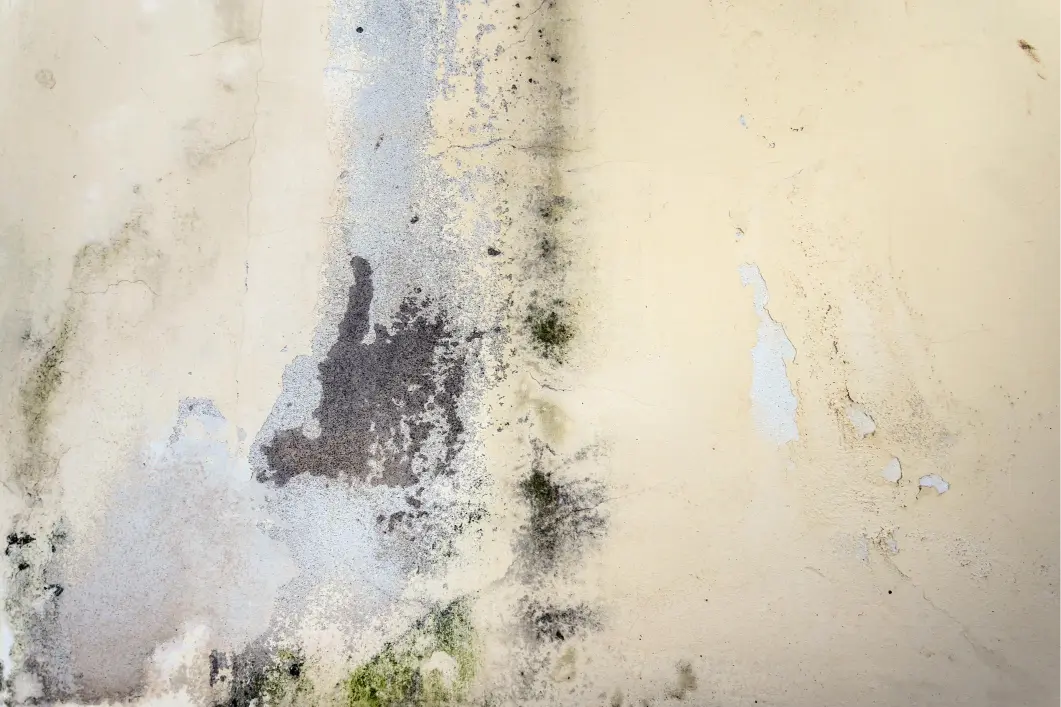
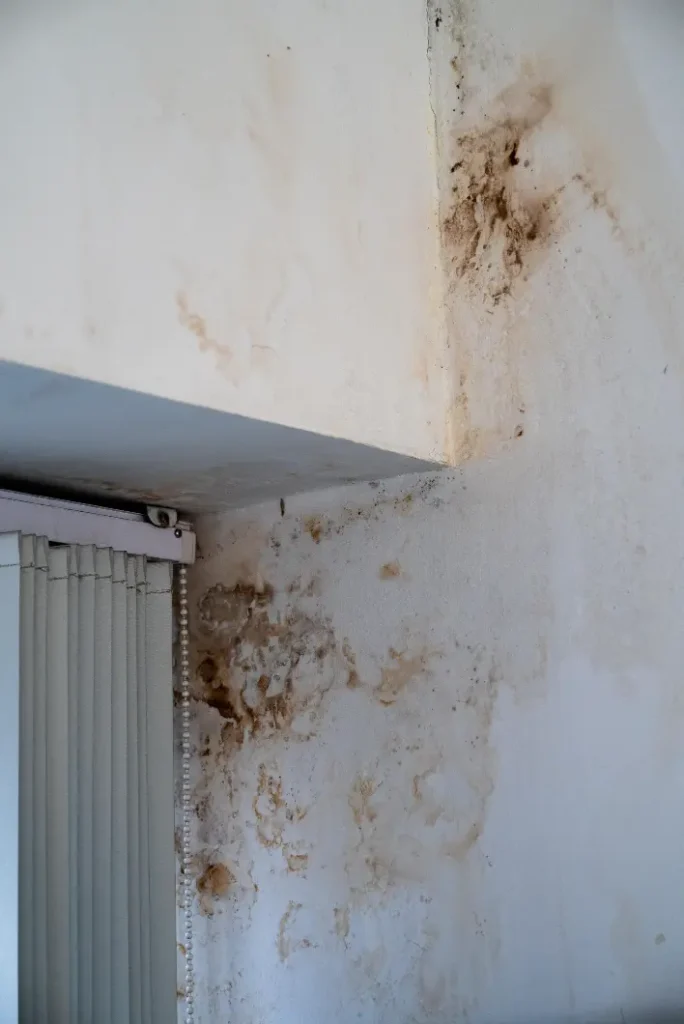
Discoloration or staining. Small spots, streaks, or patches that look darker than the rest of the wall. These might be black, green, brown, or even orange. They’re not always obvious—sometimes they just look like dirt or shadows.
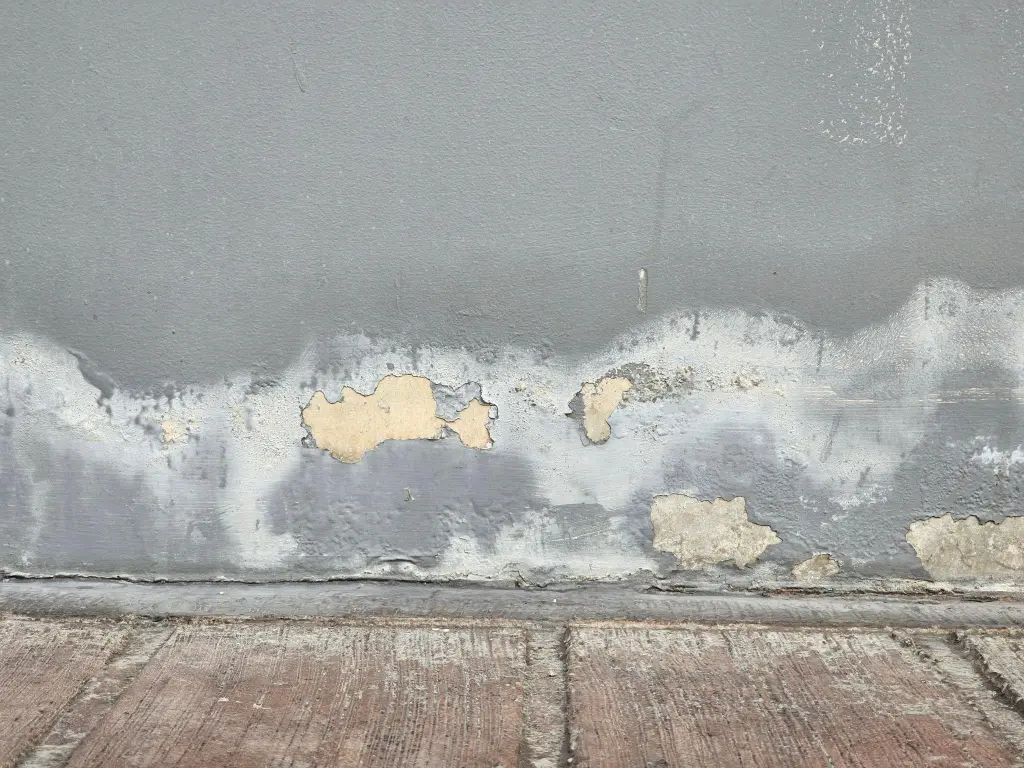
Peeling or bubbling paint. When moisture gets trapped behind paint, it pushes outward. You’ll see the paint start to bubble, crack, or peel away from the wall. This happens because water’s soaking into the drywall, and mold loves wet drywall.
Warping or bulging walls. If your wall looks like it’s bowing out slightly or the surface feels soft when you touch it, that’s water damage. And where there’s water damage, mold’s probably not far behind.
Water stains. Those yellowish-brown rings on your ceiling or walls? That’s water making its way through. Even if the leak’s fixed, moisture might still be trapped inside creating perfect conditions for mold growth.
Pay Attention to How You Feel
This one catches people off guard, but it matters. Mold affects your health, and sometimes your body tells you there’s a problem before your eyes do.
If you or your family members start experiencing unexplained symptoms that get better when you leave the house, that’s a red flag. We’re talking about things like:
- Persistent coughing or throat irritation
- Headaches that won’t quit
- Stuffy nose or sinus issues that stick around
- Itchy eyes or skin
- Feeling tired for no clear reason
Now, these symptoms could be caused by lots of things. But if they consistently improve when you’re away from home and come back when you return, it’s worth investigating what might be growing in your walls.
Think About Your Home’s History
Mold doesn’t just appear randomly. It needs moisture to grow, so think about what’s happened in your home recently.
Did you have a roof leak during the last big storm? Plumbing issues in the bathroom? Maybe your AC’s been dripping or your gutters overflowed? Even something as simple as high humidity over a long period can create enough moisture for mold to take hold.
In Southwest Florida, we deal with afternoon thunderstorms, tropical systems, and humidity that never really lets up. These conditions make it easy for moisture to work its way into walls and stay there—especially in older homes or places with poor ventilation.
What to Do if You Suspect Mold
If you’re seeing or smelling signs that point to hidden mold, don’t panic, but don’t wait either.
Don’t start tearing into your walls. Seriously. Disturbing mold releases thousands of spores into the air, spreading the problem and potentially making you sick in the process. This isn’t a DIY situation.
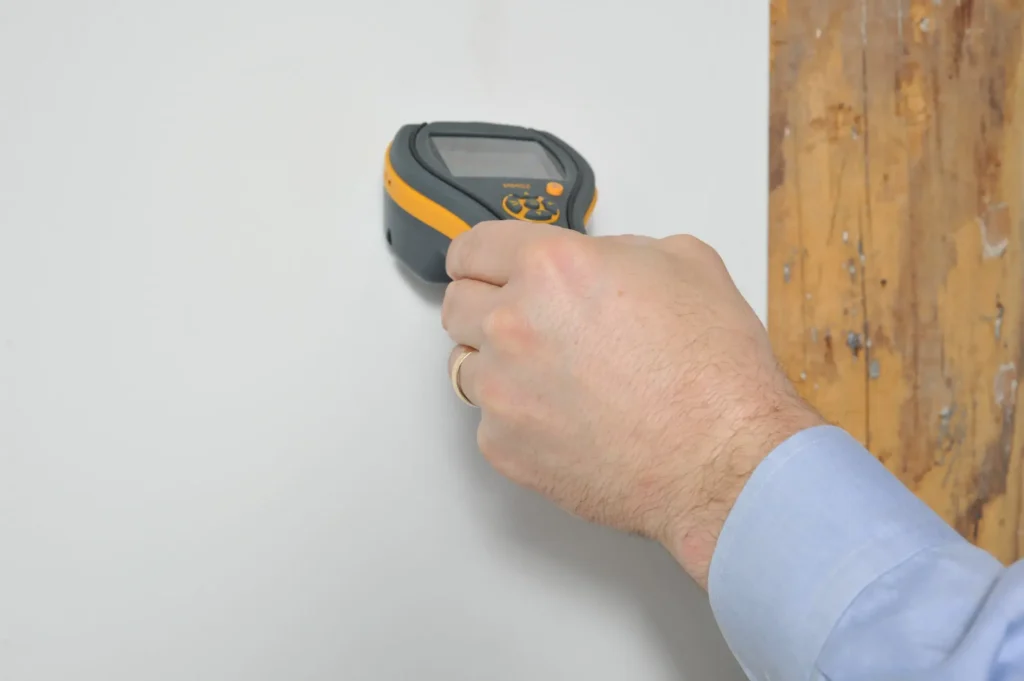
Get a professional inspection. Trained inspectors have the tools to find mold you can’t see—moisture meters, thermal imaging cameras, air quality testing. They’ll tell you exactly what’s going on and how serious it is. This is money well spent because guessing wrong can cost you a lot more down the road.
If mold is confirmed, proper remediation addresses both the mold itself and the moisture source that caused it. Treating just the visible mold without fixing the underlying problem means it’ll come right back.
At Fort Myers Restoration Pros
Call us directly – 24/7 Emergency Mold Response – Serving Fort Myers & Nearby Areas
The Bottom Line
Hidden mold isn’t something you want to ignore. The longer it grows, the more damage it does to your home and potentially your health.
Trust your senses. Pay attention to smells, stains, and how you feel in your home. And if something seems off, get it checked out. Catching mold early makes remediation easier, less expensive, and protects your home’s value.
Your walls might hide a lot of things, but mold doesn’t have to be one of them.